ARC Raiders Lore: 5 Dark Truths About Humanity's Fall
The world of ARC Raiders reveals uncomfortable truths about humanity's fall. Uncover the dark realities about corporate greed, environmental collapse, and the ironies that haunt the post-apocalyptic Rust Belt.
Key Takeaways
- Humanity's survival depends on scavenging the same machines that destroyed civilization
- The apocalypse was a two-stage class divide: elites fled during the Exodus before machines arrived
- The Exodus was a messy corporate operation, not a heroic unified effort to save humanity
- Underground survivors preserve the systematic thinking and procedures from the abandoned rocket program
- No confirmed signal has ever been received from the Exodus fleet that fled to the stars
The year is 2180. Humanity huddles in underground tunnels while hyper-lethal machines patrol a rusted wasteland above. Raiders venture topside to fight and scavenge among the ruins. On the surface, this looks like a straightforward story of human grit against robotic apocalypse.
But there's more to this world than meets the eye. The rust and ruins hold layers of human history—environmental collapse, corporate greed, and choices made long before the first ARC machine scorched the atmosphere. The world of ARC Raiders reveals itself as a landscape haunted by echoes of decisions that shaped humanity's fall.
Here are the truths that transform this extraction shooter from simple machine-versus-human into something far more complex.
1. The Great Irony: Humanity Lives on Enemy Scraps
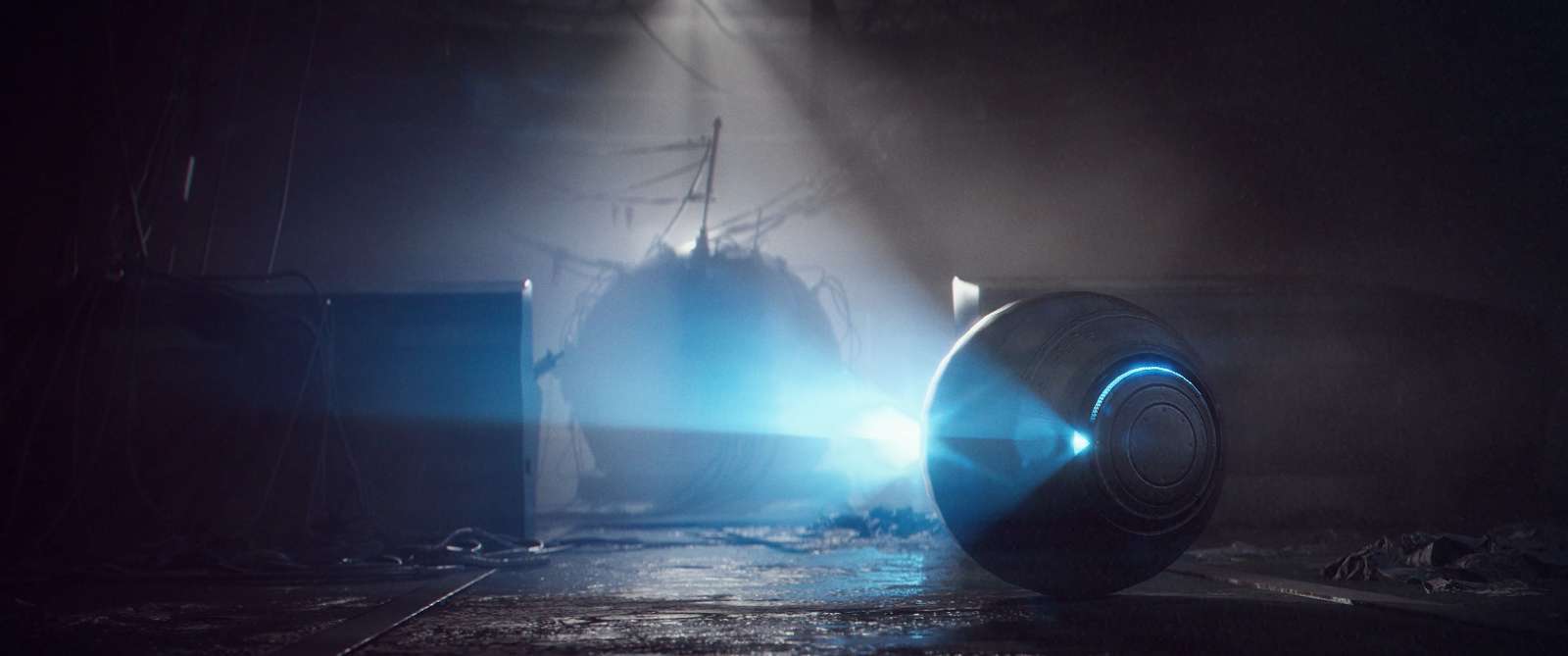
The ARC machines shattered civilization during the "First Wave," turning cities to ash and driving survivors into an underground society called Speranza. You'd think the goal is simple: destroy these machines and eradicate the threat.
The surprising reality? Humanity's survival depends entirely on hunting them.
Raiders climb to the surface not just to clear threats, but to actively salvage the very machines that hunt them. Every fallen ARC unit holds alloys, power cells, and components that keep the lights on and air filters running underground. The destroyers have become the planet's primary resource.
This creates a grim relationship where humanity's continued existence is fueled by the carcasses of its destroyers. To live, survivors must hunt the hunters, cannibalizing the instruments of their own apocalypse to forge a future. While this mechanical invasion might have been the source of mankind's destruction, these machines are also the key to potential rebirth.
2. The End Wasn't One Event—It Was a Class Divide
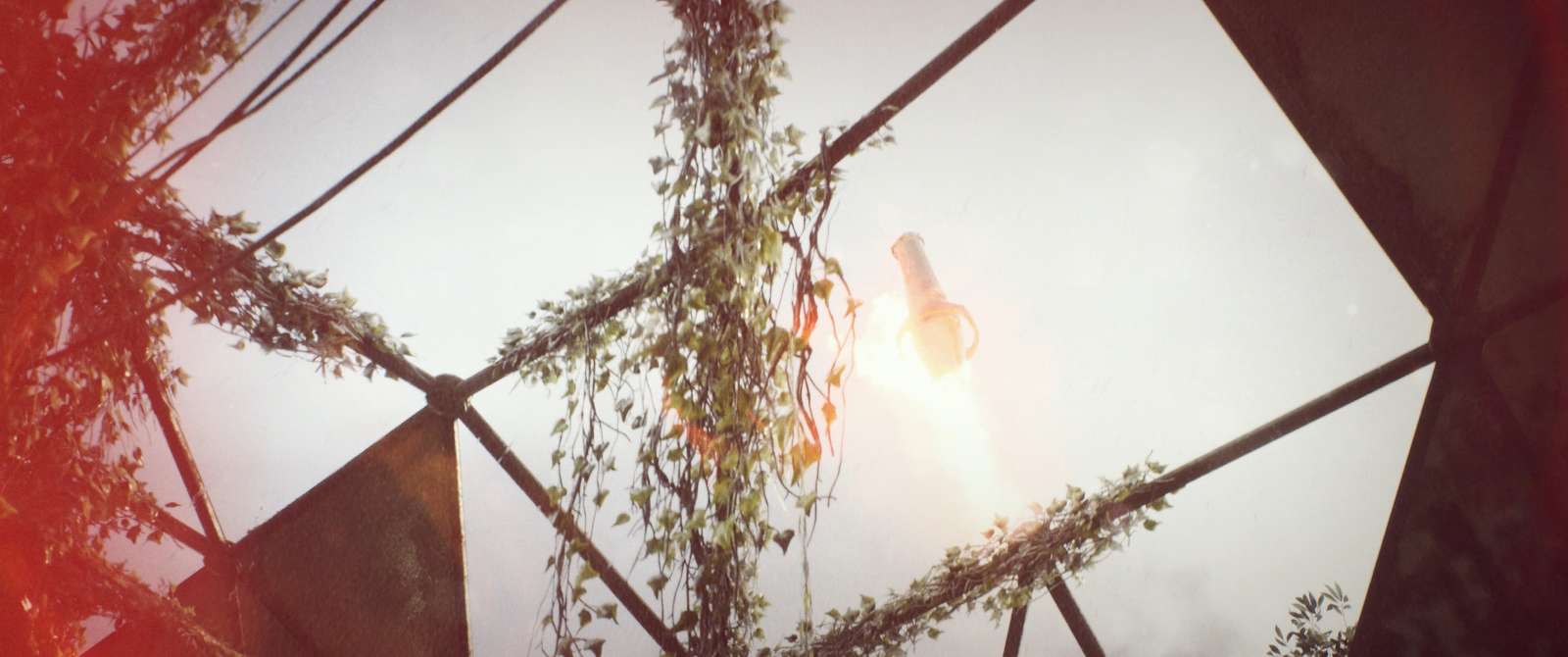
The apocalypse wasn't a single invasion that united humanity against a common foe. It was a two-stage catastrophe sorted by wealth and power.
First came the "Collapse"—a slow environmental disaster. Storms tore coastlines apart and droughts emptied plains as the planet was, in one account, "closing its fist." Rather than stay to fight or fix the problem, the world's elite orchestrated the "Exodus"—a mass evacuation to off-world colonies from Asera Spaceport.
Multiple ships carried the privileged few to the stars, fleeing a dying world they likely helped create. Only after the elite had safely departed did the ARC machines arrive in their "First Wave." When the final human resistance failed at the Alcantara power plant (known simply as "the Dam"), the machines didn't doom all of humanity—they executed the sentence on those already left for dead.
3. The Escape Was a Messy Corporate Buyout
The Exodus conjures images of heroic, unified effort. Evidence at Asera Spaceport tells a different story.
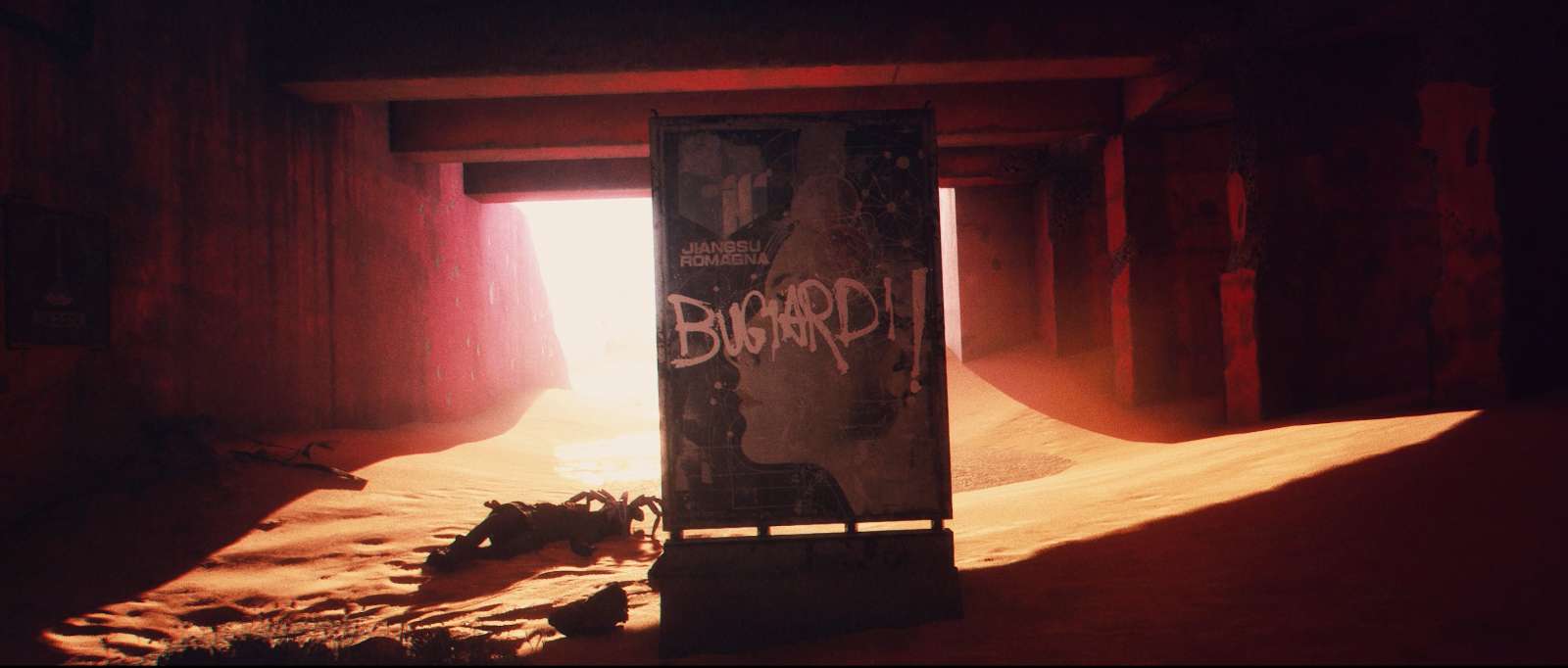
The facility points to a chaotic, corporatized rush job plastered with competing logos: Giangu Romana, Evan Tala, Astra Venturo, and Supra Costa. The paintwork across the facility is sloppy and haphazard, slapped on walls just "good enough" to get the job done. This wasn't humanity's finest hour. It was a fire sale.
The most telling detail? Graffiti found on a billboard associated with rocket company Giangu Romana. The word scrawled across it: "Bugatti"—Italian for "liars."
Even at the end of the world, the operation was driven by corporate interests, logistical shortcuts, and the kind of public distrust that leaves a bitter mark. You can see more about the corporate escape in official gameplay footage showing Asera's abandoned infrastructure.
4. Civilization Endures Through Checklists and Procedures
Most post-apocalyptic stories depend on raw grit and willpower. In ARC Raiders, survival is more sophisticated.
The underground city of Toledo, with its heart in Speranza, endures not just through scavenging, but by preserving the intellectual inheritance of the Exodus that abandoned it. The meticulous, systematic thinking required to launch rockets became the bedrock of underground society.
This isn't abstract. A flight connector from a launch gantry now anchors a power bus. A pressure ring once used in rocket fuel lines seals a critical water main. A pressure door panel from Pad C still seals the clinic, its latch closing with a clean, satisfying sound. In training rooms, checklist plates are treated as relics, used to teach new Raiders life-saving procedures.
This sophisticated division of labor—where Celeste manages rations and Shaunie maps patrols—allows civilization to endure. The story of humanity's survival isn't just about people surviving. It's about the systems, knowledge, and disciplined processes they preserve. The greatest weapon against chaos isn't a gun. It's a well-written procedure.
5. The Ultimate Mystery: Is Anyone Out There?
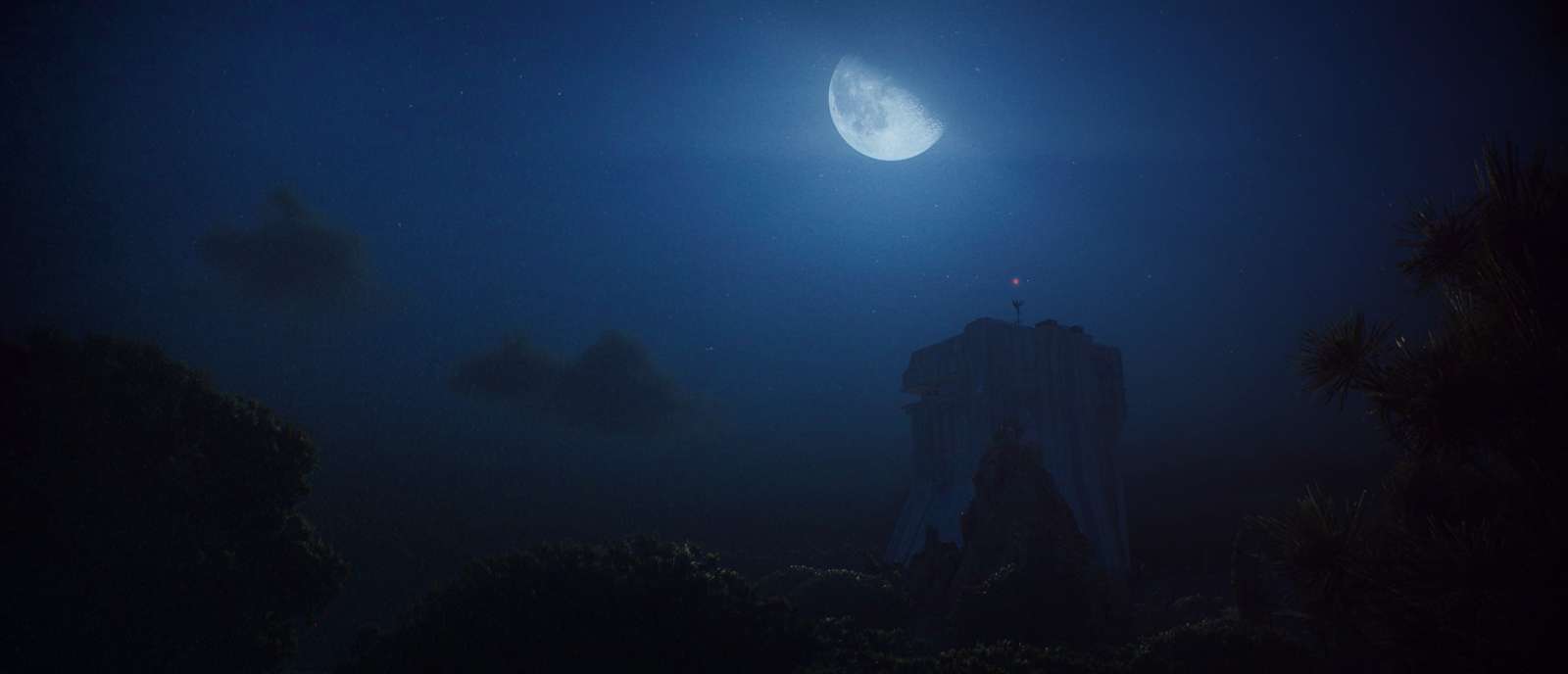
Deep within Toledo sits a place of profound silence and hope. Survivors maintain a dedicated listening post, receivers pointed patiently at the sky, constantly scanning static between ARC machine chatter. They're listening for a sign—any sign—from the Exodus ships.
Every anomaly gets logged in faint hope it might be a message. Yet lore revealed in recent updates is clear on one haunting fact: no confirmed voice, no definitive signal has ever been heard from the fleet that fled to the stars.
Faint signals from other desperate, earthbound settlements sometimes flicker through static—short bursts from survivors who never traded names. But the sky remains silent where Exodus voices should be.
This leaves survivors in complex, tragic isolation. They're not entirely alone on their ruined planet, but they're existentially alone in the galaxy. They keep listening, because the alternative is accepting that the ships carrying humanity's elite never made it. Or worse—they simply never bothered to call back.
The Echoes of Choice
ARC Raiders presents a landscape haunted not by a singular external catastrophe, but by cascading consequences of human choices made long ago. The choice to let a planet die. The choice to save only a select few. The choice to leave behind a legacy of systems that would, ironically, become salvation for the abandoned.
The ARC machines may be the immediate threat, but the deepest scars were carved by humanity's own hands.
The lore tells us how humanity survives. The great unanswered question remains: If a signal ever comes through from those who left, will it be a message of hope, a warning, or just an echo from a ghost ship that never made it?
FAQ: Common Questions About ARC Raiders Lore
What is the Exodus in ARC Raiders?
The Exodus was a mass evacuation of Earth's wealthy and powerful to off-world colonies before the ARC machines arrived. It was orchestrated by multiple corporations at Asera Spaceport and left the majority of humanity behind to face the mechanical invasion alone.
Why do Raiders scavenge ARC machines?
ARC machines contain critical resources—alloys, power cells, and components—that are necessary for underground survival. Every piece of salvaged technology keeps the air filters running, lights on, and colony functioning. It's a grim irony that humanity's destroyers became their lifeline.
What happened to the people who fled during the Exodus?
Nobody knows. Despite maintaining listening posts scanning the stars, no confirmed signal has ever been received from the Exodus fleet. They either never made it to their destination, or they chose never to call back to Earth.
What is Toledo and Speranza?
Toledo is the network of underground settlements where humanity survives. Speranza is the first and largest district (contrada) at Toledo's heart—a city carved from rock and scavenged steel where life depends on rationed food, filtered oxygen, and precious power salvaged from the surface. Want to know more? Check out our complete guide to the underground world.
Is ARC Raiders just about shooting robots?
While extraction gameplay and combat are central mechanics, the lore reveals deeper themes about environmental collapse, class warfare, corporate greed, and humanity's will to survive against impossible odds. The machines are the threat, but the story explores what happens when humanity's greatest enemy might have been itself all along.
Ready to Experience the Story Yourself?
Now that you know the deeper truths behind ARC Raiders, explore more about this fascinating world.